

A lease binds both parties from the moment it is signed. For this reason, it should be reviewed carefully before signing, since overlooking a clause can lead to unexpected charges or unintentional lease violations. This is particularly important for anyone renting a home for the first time. A tenant considering Apartment Rentals In Iowa City, IA should give the lease the same level of attention as the apartment itself. Since it is the lease, not the apartment tour, that governs the terms of the tenancy.
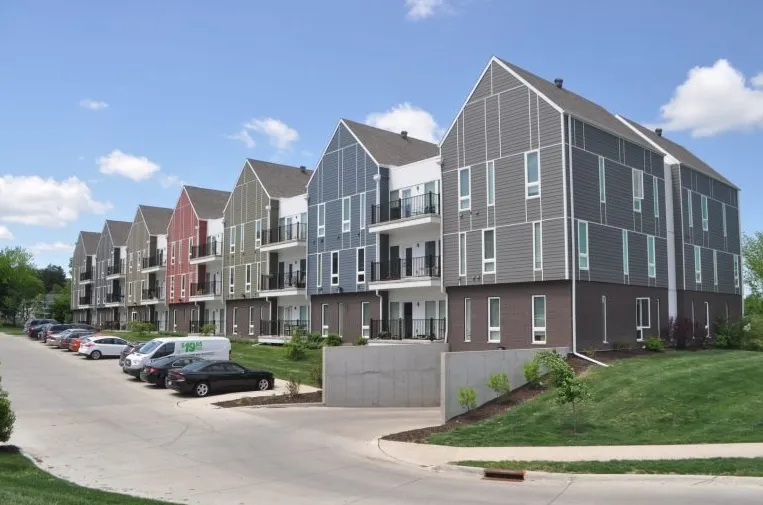
Why Understanding Lease Terms is Essential Before Signing
A lease sets out, in writing, the obligations that a landlord and tenant owe one another for the duration of the tenancy. Reviewing these terms before signing reduces the likelihood of disputes caused by mismatched expectations. Most residential leases address six main areas: the monthly rent and payment schedule, the length of the tenancy and the terms of renewal, the security deposit, the division of maintenance responsibilities, occupancy limits, and the procedure for ending the lease.
Key Lease Clauses Every First-Time Tenant Should Review
The following clauses appear in nearly every lease and have a direct effect on the tenancy. Here are some lease clauses you should know about:
Lease Term
The type of lease, whether a fixed-term lease or a month-to-month agreement, determines how much flexibility a tenant has. Before signing, tenants should confirm the lease start and end dates, renewal procedures, required notice periods, and any penalties for ending the lease early. Understanding these details helps tenants plan ahead while avoiding accidental lease violations.
Rent Payment Terms
Tenants should confirm the rent due date, accepted payment methods, any grace period, and the penalties for late payments. Understanding these payment terms makes it easier to compare Apartment Rentals in Iowa City, IA and choose one that fits your budget.
Security Deposit Requirements
The security deposit protects the landlord against unpaid rent or damage beyond ordinary wear. Since the terms governing deposits vary between leases, a tenant should confirm the deposit amount, the specific conditions under which deductions may be made, the timeline for the deposit’s return, and the standard of cleanliness expected at move-out.
Before moving in, a tenant should inspect the unit and photograph any existing damage. This record serves as evidence if a dispute later arises over the deposit’s return.
Maintenance Responsibilities
Most leases outline maintenance responsibilities in similar ways. Landlords are generally responsible for repairing the property and for the plumbing, electricity, heating and air conditioning systems, as well as keeping the property safe and habitable. Tenants, on the other hand, are typically responsible for keeping the apartment clean and reporting maintenance issues promptly. A tenant needs to report any maintenance problems as well as refrain from causing any unnecessary damage.
Occupancy and Guest Policies
This section of the lease determines who may live in the unit, beyond whoever’s name appears on the agreement. It typically covers the maximum number of permitted occupants, restrictions on how long guests may stay, the approval required before a new roommate moves in, and the policy on subleasing.
Final Thoughts
Understanding lease terms is crucial in helping tenants enter a rental agreement with clarity. Taking time to review important details such as rental payments, the period of the lease, security deposit, repairs, occupancy, and renewal terms will help avoid misunderstandings and expenses. When signing a contract, make sure you understand all your rights and duties and get answers to all unclear questions. A clear understanding of your lease will help you make a more informed decision when choosing apartment rentals in Iowa City, IA and avoid unexpected issues after moving in.