

A single loose corner or an under-filled box can turn a same-day shipment into a week-long headache. Most shipping delays are not caused by weather or carriers. They are often the result of simple packing mistakes. Businesses that buy Packaging And Shipping Supplies Online often assume that alone can solve the problem. But how those supplies are used matters just as much as what’s used.
Here’s a closer look at the small packing mistakes that cost businesses time and money, along with practical ways to avoid them.
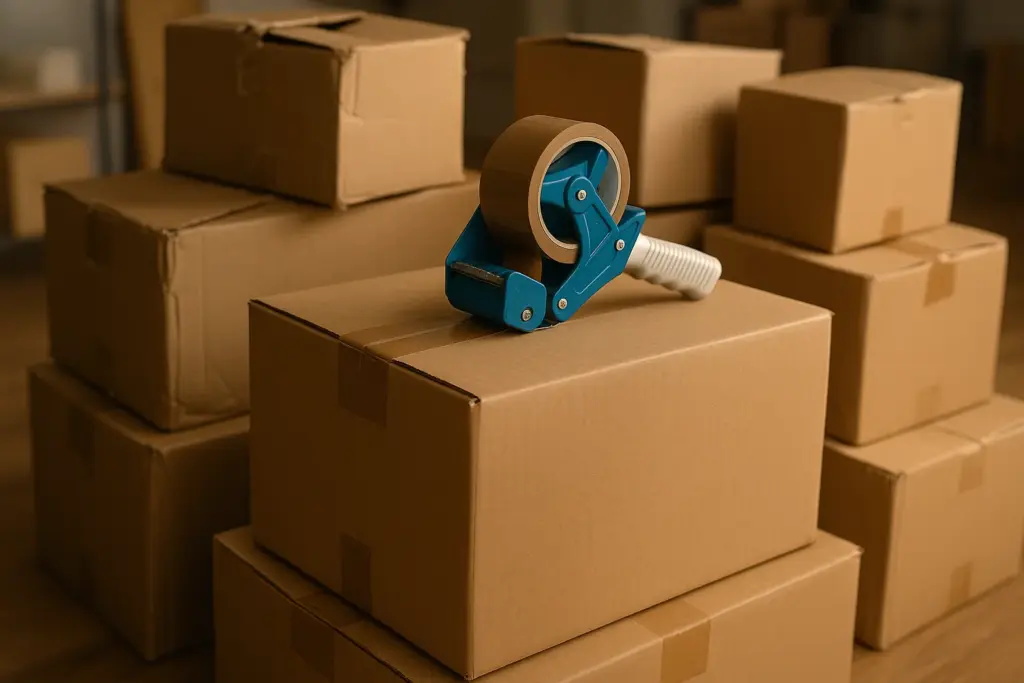
Using the Wrong Box Size
An oversized box leads to movement and damage. When a product shifts around during transit, it can crack packaging, tear labels, or arrive in a condition that triggers a return. However, undersized boxes create a different problem. The weight of the contents press against the seams, causing the box to bulge, which may prompt carriers to repackage it, leading to unforeseen delays.
a. Measure the product before choosing a box.
b. Leave enough space for cushioning material.
c. Avoid reusing boxes that no longer hold their shape.
Skipping Proper Cushioning
Bubble wrap, air pillows and packing paper are not just nice to have. They are the difference between a product surviving a drop and one that does not. Many shipping delays start with damaged goods that never should have left the warehouse in that condition. Once a package is flagged as damaged mid-transit, it often gets pulled aside for inspection, and that inspection process can add days to delivery.
Cushioning should fill empty spaces instead of sitting loosely around fragile items.
Weak or Inconsistent Taping
Tape seems like a minor detail until a box splits open on a conveyor belt. A single strip across the top seam is not enough for most shipments. Carriers use automated sorting systems that put real pressure on packages. And boxes that are not reinforced properly can fail under that stress.
The H-taping method, where tape runs across the center seam and both edges, holds up far better than a quick strip down the middle. Businesses that order packaging and shipping supplies online in bulk tend to have an easier time keeping consistent tape quality across every shipment, since they are not relying on whatever roll happens to be left in a drawer.
Illegible or Missing Labels
This mistake sounds obvious, but it happens more often than expected. Faded ink, labels placed over seams or barcodes that get torn during handling can all cause a shipment to be rerouted or held for manual processing. Both of those outcomes slow down everything.
a. Print labels clearly and avoid placing them near box edges or tape lines.
b. Keep a spare label attached inside the box as backup.
c. Double-check that barcodes scan properly before the package ships.
Ignoring Weight Distribution
Placing heavy goods on top of light goods may cause the box to buckle, particularly when the box is loaded together with other parcels while in transit. Evenly loading the box maintains the integrity and minimizes the chances of being flagged for repacking at a sorting facility.
Final Thoughts
Shipping delays are usually caused by a series of small mistakes rather than one major problem. Proper box selection, taping, cushioning of delicate items, and proper labeling all contribute to helping shipments move through the delivery network without unnecessary interruptions.
Businesses that take the time to source quality packaging and shipping supplies online, and train their teams on proper packing habits tend to see fewer returns, delays, and frustrated customers. It is a small investment up front that saves significant trouble down the line.