

A home’s exterior and interior tend to age on different timelines, but they’re often addressed together because the same underlying issue moisture connects them more often than homeowners expect. A project that starts as a simple paint refresh can uncover problems that trace back to the exterior, and a siding repair can reveal interior damage that hasn’t shown up yet on the wall surface.
Siding install and repair is usually the starting point for an exterior remodeling project. Damaged, warped, or aging siding isn’t just a cosmetic issue; it’s the primary barrier protecting the framing and drywall behind it. Once siding has failed in a section, interior drywall repair in that same area often isn’t far behind, which is why an exterior repair and an interior drywall repair sometimes need to be scoped together rather than treated as unrelated problems. Gaps around windows, doors, and siding seams are common entry points for moisture, and they’re often overlooked because they’re small enough to go unnoticed during a casual walkaround.
Fresh home painting, done properly, does more than update color. Exterior paint is a moisture barrier in its own right, and interior paint applied after drywall repair and installation needs proper primer to actually bond and last, especially over patched or textured sections. Skipping this step is one of the more common reasons paint jobs look uneven or need to be redone within a year or two. Surface prep pressure washing, scraping, and sanding on the exterior; sanding and priming patched areas on the interior typically takes longer than the actual painting, and it’s the step most often rushed by lower-cost quotes.
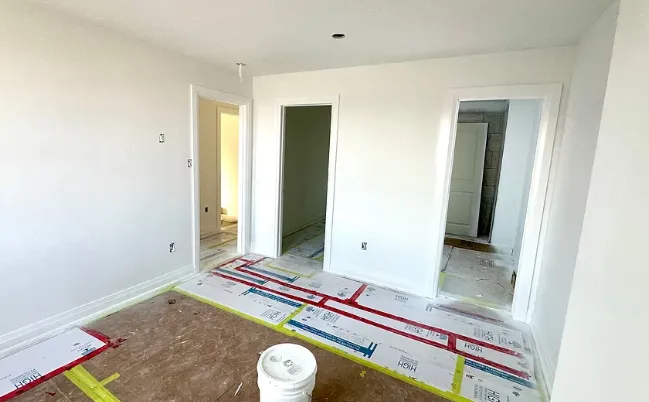
Basement remodeling and bathroom remodeling projects run into the same moisture logic from the opposite direction; these are the rooms most likely to develop drywall damage from condensation, plumbing, or grading issues outside the home, rather than from a single obvious leak. A house renovation contractor addressing drywall repair in these rooms will typically check the source before repainting over a patch, bedroom remodel with paint drywall repair from a water leak new baseboards. Since repainting over an unresolved moisture issue is a short-term fix at best. In basements especially, exterior grading and gutter drainage are worth checking first, since a surprising number of “basement moisture problems” actually trace back to water pooling against the foundation outside.
Roofing is worth mentioning in the same breath, even though it’s a separate trade in most people’s minds. Roofing and remodeling issues are more connected than homeowners often realize a roof leak is one of the more common causes of the exact interior drywall and ceiling damage described above, and it’s easy to spend money repairing drywall repeatedly without realizing the roof is the actual source.
Taken together, siding, drywall repair, and painting form a natural sequence for a home renovation: address what’s letting moisture in, repair what it’s already damaged, and finish with paint once everything underneath is sound. Homes going through this process as room additions or a broader home renovation service project tend to hold up better long-term when these three are planned in that order rather than tackled independently, and it’s generally more cost-effective to address them in that sequence than to repaint first and deal with the underlying issue later. Homeowners weighing where to start can get a clearer picture from a [home renovation services](https://allseasonshsv.com/general-contractor-owens-cross-roads-al/) provider that handles siding, drywall, and painting under one roof, since diagnosing the moisture source is usually the deciding factor in what the rest of the project actually needs.