

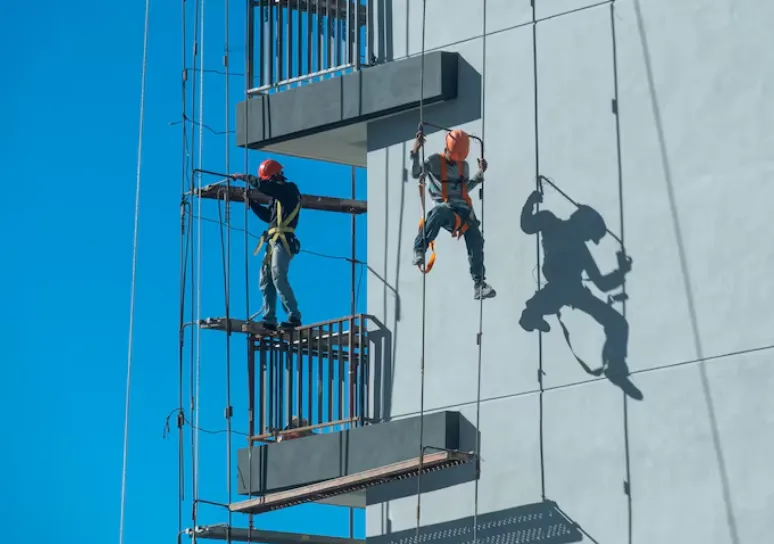
Every maintenance project carried out on a high-rise building begins with one critical question: Can the work be completed safely? Whether technicians are cleaning windows, repairing concrete, inspecting facades, or installing new building systems, working at height presents risks that cannot be overlooked.
While advanced equipment plays an important role, safety depends on two key factors: a reliable anchor system and trained professionals who know how to use it correctly. This is why anchor point certification Sydney and IRATA certified rope access Sydney are considered fundamental to modern high-rise maintenance.
Rather than viewing them as separate requirements, building owners should see them as complementary elements of a comprehensive safety strategy.
Why Safety Starts Before Maintenance Begins
Before any rope access technician steps onto a rooftop, the building’s safety infrastructure must be assessed. Permanent anchor points provide the connection between workers and the structure, allowing maintenance tasks to be completed securely at height.
However, anchor points are not “install and forget” systems. Like any other building asset, they are exposed to weather, corrosion, vibration, and normal wear throughout their service life. Without regular inspections, even well-installed systems can deteriorate over time.
This is why certification is just as important as installation.
What Does Anchor Point Certification Involve?
Many property owners assume certification simply means checking whether an anchor point is still attached to the roof. In reality, the process is far more detailed.
During anchor point certification Sydney, qualified inspectors examine every component of the safety system to confirm it remains suitable for ongoing use. The assessment generally includes visual inspections, testing where required, verification of installation records, and confirmation that the system continues to meet relevant Australian Standards.
If defects or signs of deterioration are identified, repairs or replacements can be recommended before the system is used again.
Regular certification provides confidence that future maintenance work can be carried out safely without exposing workers to unnecessary risks.
Why Technician Qualifications Matter Just as Much
Even the most reliable anchor system cannot guarantee safety on its own. The people using that equipment must also possess the knowledge and practical skills needed to work at height safely.
This is where IRATA certified rope access Sydney professionals make a significant difference.
The Industrial Rope Access Trade Association (IRATA) is recognised internationally for its rigorous training and safety standards. Certified technicians undergo extensive practical assessments covering rope techniques, rescue procedures, hazard management, and safe work practices before they are permitted to work independently.
This level of training helps ensure maintenance work is completed efficiently while maintaining strict safety protocols throughout the project.
How Both Systems Work Together
Think of a rope access system as a chain where every link must perform reliably. Certified technicians depend on compliant anchor points, while anchor points only achieve their purpose when used by competent professionals.
When both elements are in place, commercial property owners benefit from:
-
Safer maintenance operations.
-
Reduced risk of workplace incidents.
-
Greater confidence during facade inspections and repairs.
-
Improved compliance with workplace safety obligations.
-
Efficient access to difficult areas without extensive scaffolding.
This combination allows routine maintenance to proceed with minimal disruption while maintaining a high standard of safety.
Supporting Long-Term Building Maintenance
Certified safety systems also contribute to better asset management. Buildings require ongoing inspections, cleaning, painting, waterproofing, and remedial repairs throughout their lifespan. Having compliant anchor points already in place makes these activities easier to schedule and more efficient to complete.
Instead of arranging temporary access solutions for every project, maintenance teams can safely reach difficult areas using permanent infrastructure. This not only reduces project setup times but also encourages more regular inspections, helping property owners identify defects before they become major repair issues.
A Proactive Approach Delivers Better Results
Waiting until a maintenance project is scheduled before checking safety systems can create unnecessary delays and additional costs. If anchor points fail inspection or require repairs, maintenance work may need to be postponed until the issues are resolved.
By incorporating routine certification into an annual maintenance program, property owners can ensure access systems remain ready whenever inspections or repair work are required. This proactive approach supports smoother project planning while reducing unexpected interruptions.
Conclusion
Safe high-rise maintenance depends on more than specialised equipment; it relies on dependable safety systems and skilled professionals working together. Regular anchor point certification Sydney ensures permanent access systems remain compliant and fit for purpose, while IRATA certified rope access Sydney technicians provide the expertise needed to carry out maintenance safely in challenging environments.
For commercial property owners, investing in both is more than a compliance requirement. It is a practical strategy that supports safer workplaces, more efficient maintenance, and better long-term management of valuable building assets.