

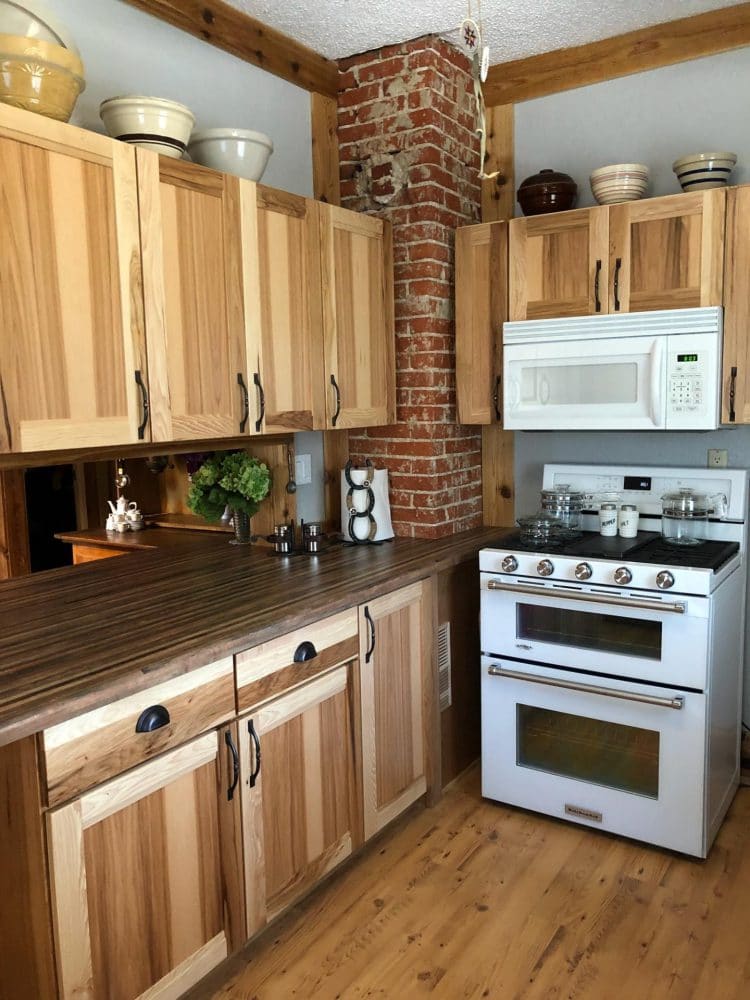
A kitchen remodeling project can help make your home more comfortable, functional, and attractive. But the work is not truly complete until you do a proper check. Here is how to do a careful final inspection after Kitchen Remodeling in North Liberty, IA.
1. Check the Overall Kitchen Layout
The first step is to test how the kitchen feels when you move around in it. The new layout should make it easier to cook, clean and store.
a. Check Walking Space
Open all cabinet doors, drawers, the refrigerator, and the dishwasher. Be sure that they do not obstruct walkways or collide with each other. All areas of the sink, cooking space, and refrigerator should be easily accessible.
b. Compare Work with the Original Plan
Compare the completed work with the approved design, selected materials, and agreed measurements. Ensure cabinets, counters, lighting, and appliances are installed as designed, and that flooring is in place.
2. Inspect Cabinets and Storage Areas
Cabinets are used every single day. They should be sturdy, level, and easy to use every day.
a. Test Every Door and Drawer
Open and shut all cupboards and drawers a few times. They should slide or swing smoothly. There should be no sticking, scraping, or unusual sounds. Inspect handles, knobs, and hinges. This ensures that they are well secured.
b. Examine Shelves and Interior Spaces
The shelves should fit properly. You can check for unfinished edges and loose fittings. Also check for scratches or construction dust in each cabinet.
3. Examine Countertops and Backsplashes
Countertops and backsplashes should have a neat and uniform finish.
a. Look for Any Gaps or Damage
Examine the countertop for cracks or chips. The surface should be even and level. Be extra careful near the sink, cooktop, and wall. The seams should be neat and well finished.
b. Inspect Backsplash Finish
Ensure that the tiles are straight and the grout lines are level. There should be no loose tiles, sharp edges, or open gaps. These issues allow moisture to seep through.
4. Test Plumbing and Electrical Features
Plumbing and electrical inspections are crucial. Check if they work properly and safely.
a. Run the Water
Start by running the water at the faucet to see if the water pressure is okay. Check the plumbing and pipe connections. It is a good idea to test hot water and cold water separately.
b. Test Lights and Power Outlets
Now test all electrical outlets and turn on every light. Check under-cabinet lighting, appliance connections, and exhaust fans, and make sure everything is operating normally. Loose switches, dim lighting, or outlets that just don’t work should be repaired right away.
5. Inspect Appliances and Ventilation
Installed appliances need to function properly and not come loose.
a. Test Appliances One at a Time
Test the oven, cooktop, fridge, dishwasher, microwave, and garbage disposal (if applicable). Be sure doors open correctly and appliances are level.
b. Check the Exhaust System
Switch on the range hood and exhaust fan. It should take away the cooking smell and steam without making much noise.
6. Check the Flooring, Paint and Finishing Work
Check for scratches, stains, uneven floors, paint marks or broken trims. Look at corners, wall edges, molding, and behind doors. Any minor finish issues should be addressed prior to approval of the project.
a. Inspect the Flooring
Check for:
i. Scratches
ii. Uneven Boards
iii. Cracked Tiles
iv. Hollow Spots
v. Loose Transitions
b. Review Paint and Finishing Details
Check:
i. Paint Marks
ii. Trim
iii. Caulking
iv. Mouldings
v. Touch-Ups
7. Take a Final Walkthrough
Walk through the completed kitchen with your contractor and note any outstanding items.
a. Prepare a Punch List
Record any unfinished work, damaged finishes, adjustments, or missing items. Review the punch list with your contractor and agree on when each item will be completed.
Many homeowners wait until the punch list items are completed before making the final payment. This helps ensure that any outstanding issues are resolved before the project is officially closed.
b. Collect Important Documents
Gather warranties and user manuals, and maintenance instructions. Don’t forget receipts and the final invoice. Keep all these documents in a safe place. They might be needed later for routine servicing needs or warranty claims.
A detailed final inspection helps protect your investment in kitchen remodeling in North Liberty, IA. It also supports confirming that your remodeled kitchen is safe, usable, and practical for everyday use.
If permits were required for the remodel, confirm that the final inspection has been completed and approved by the local authority. Keep copies of any inspection reports or approvals with your project documents.
Conclusion
A detailed final inspection helps protect your investment in kitchen remodeling in North Liberty, IA. Checking the layout, finishes, plumbing, electrical work, appliances, and the final punch list before signing off helps ensure the project has been completed to the expected standard. Taking the time to verify every detail now can prevent unnecessary repairs and give you confidence in your newly remodeled kitchen.