

Navigating the Winter Realities of the Puget Sound
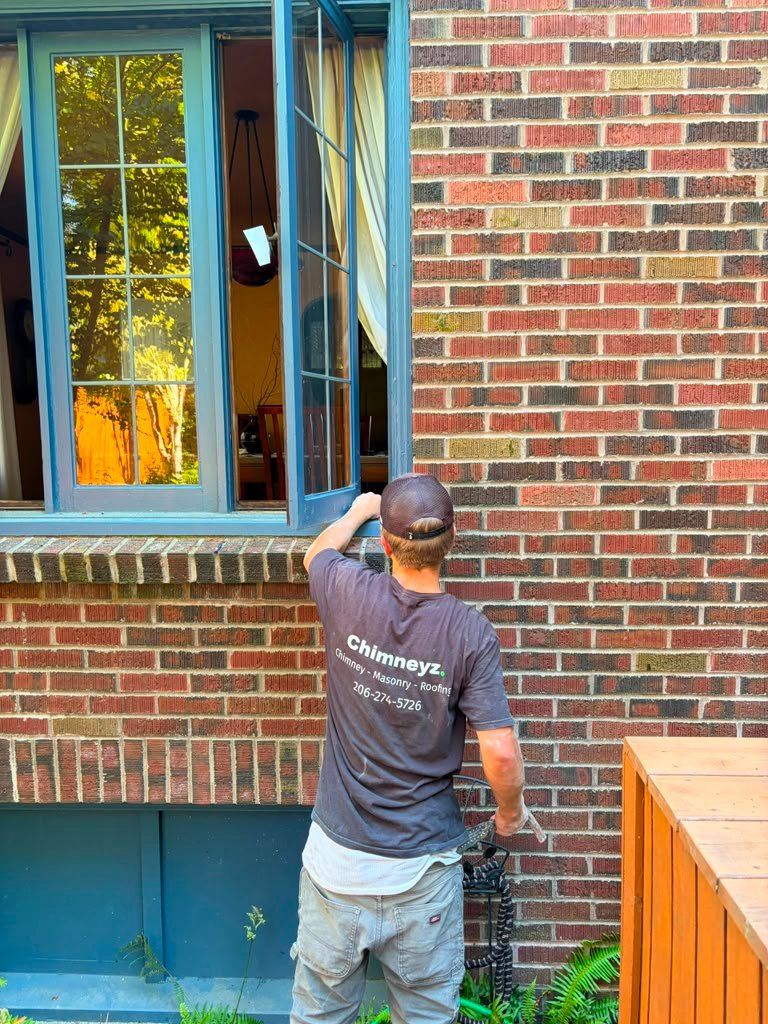
Living in the scenic Puget Sound region means enjoying mild maritime climates, lush green landscapes, and stunning coastal waters. However, when winter storm season arrives, the regional climate presents distinct challenges for residential and commercial property owners. Extended atmospheric river events, relentless damp winds, low temperatures, and heavy rain downpours put incredible stress on building exteriors. Chimneys, roof structures, and exterior masonry across Puget Sound communities bear the heavy burden of keeping homes dry and safe. Navigating storm season successfully requires specialized local knowledge and dedicated service coverage.
Resisting Atmospheric Rivers and Driving Wind-Driven Rain
Atmospheric rivers bring massive volumes of moisture from the Pacific Ocean, dumping inches of rain across the Puget Sound over multi-day periods. Unlike gentle vertical showers, storm-season rainfall usually comes with strong, gusty winds that drive water sideways against building facades.
Wind-driven rain finds every micro-gap in chimney mortar joints, lifts aging roof shingles, and forces water upward under counter-flashing channels. Treating exterior masonry with siloxane water repellents and verifying that roof flashing is deeply embedded protects homes against heavy atmospheric river downpours.
Managing Coastal Salt Air Corrosion and Masonry Stress
For properties along the Puget Sound coastline, salt-laden marine air accelerates corrosion of exterior metal hardware. Standard galvanized steel chimney caps, flashing nails, and metal chase covers rust much faster in coastal environments than in inland regions.
Rusting caps crumble over time, allowing rain and nesting animals direct entry into flue channels. Upgrading coastal homes to high-grade stainless steel or copper exterior hardware ensures long-term resistance to salt corrosion, keeping structural defenses intact through season after season of coastal storms.
Freeze-Thaw Volatility in Foothill Neighborhoods
While lowland communities experience mostly rain, properties nestled near the Cascade foothills face volatile freeze-thaw cycles throughout storm season. Daytime rains saturate porous brickwork, only to freeze solid when mountain temperatures plummet overnight.
This rapid temperature fluctuation causes expansive ice damage within chimney crowns and mortar joints, leading to cracked brickwork and structural instability. Localized maintenance tailored to foothill microclimates involves applying high-density elastomeric crown coats and high-strength mortar compounds engineered to handle severe freeze-thaw cycling.
Emergency Response and Rapid Storm Recovery
When severe winter storms roll through the Puget Sound, fallen tree branches, heavy wind gusts, and localized flooding can cause sudden exterior damage. A cracked chimney stack, blown-off chimney cap, or severe roof leak requires rapid professional intervention to prevent water from damaging your home’s interior.
Access to responsive local field teams that understand regional logistics ensures emergency tarping, structural stabilization, and water containment happen quickly, protecting your family and property when unexpected storm damage strikes.
Reliable Local Coverage for Regional Homeowners
Protecting homes across the Puget Sound requires a service provider with deep regional roots and broad geographical reach. Field teams must be equipped to navigate local terrain, respond promptly during winter weather events, and deliver repairs tailored to local climate conditions. When you need dependable service across regional neighborhoods, relying on trusted professionals with comprehensive local service area coverage guarantees your home stays warm, dry, and structurally secure through every winter storm.
Shield Your Puget Sound Home This Winter
Don’t let wet winter storms and driving coastal rains compromise your property’s structural integrity and hearth safety. By preparing your masonry for heavy rain, upgrading to corrosion-resistant metals, and addressing freeze-thaw cracks early, you build a resilient home envelope. Take action before the next major storm hits—secure your roof and chimney defenses today and weather every winter with complete peace of mind.