

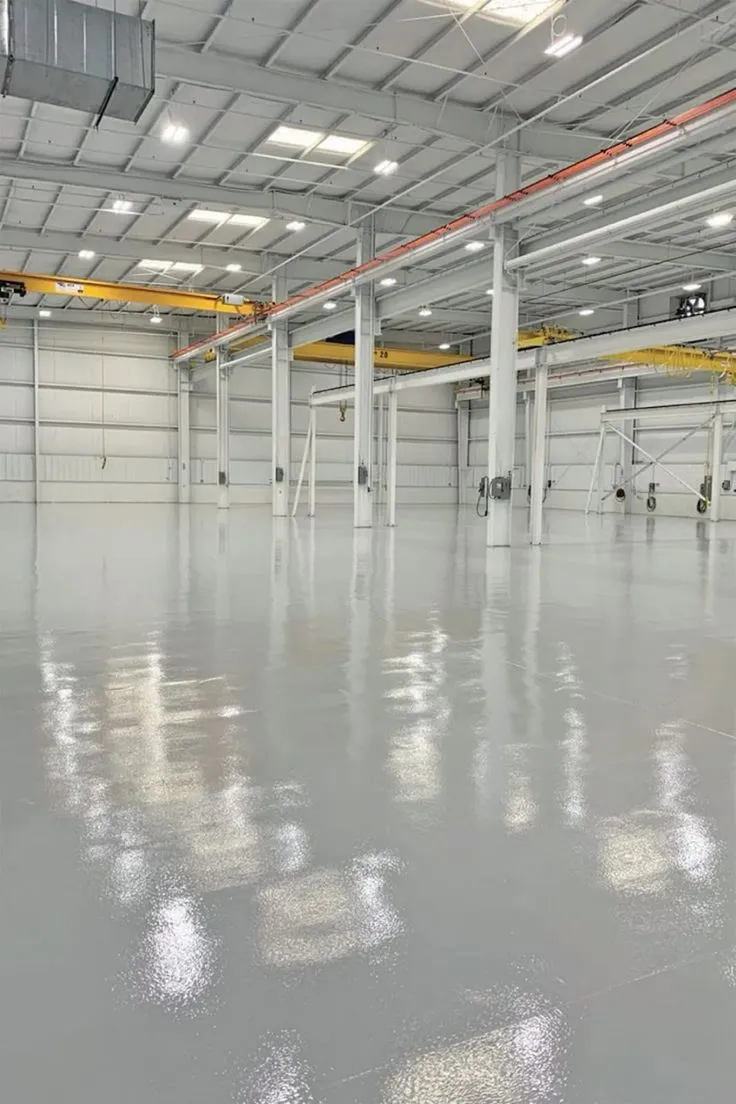
A commercial building can serve several businesses over its lifetime. A former furniture showroom might become a fitness studio, while an empty retail unit could be converted into a small production facility. Although the walls and layout may remain similar, flooring requirements often change significantly. Businesses considering commercial epoxy flooring should examine how the previous tenant used the property and what the new operation requires. Making this assessment before renovation begins can help avoid unnecessary replacement costs, unsuitable finishes, and interruptions after the business opens.
Investigate the Previous Tenant’s Activities
The building’s history can reveal important information about its concrete. An automotive business may have left oil contamination, while a restaurant could have exposed its floor to grease, moisture, and frequent cleaning.
Ask the property owner about previous flooring installations and repairs. Old adhesive, hidden cracks, and abandoned equipment anchors may require attention. Identifying these conditions early can prevent unexpected complications when existing coverings are removed.
Define the New Business Requirements
A fitness facility experiences different conditions from a clothing store or warehouse. Exercise equipment can create concentrated loads, while customer-facing areas often prioritize appearance and straightforward cleaning.
Before selecting materials, document expected foot traffic, equipment movement, possible chemical exposure, and cleaning routines. This helps establish which floor characteristics are essential and which decorative preferences can remain flexible.
Examine the Concrete Beneath Existing Finishes
Carpet, tile, and vinyl can conceal problems in the underlying slab. Removing these materials may expose deteriorating joints, cracks, uneven sections, or remnants of previous coatings.
A professional inspection should determine whether the concrete is suitable for the proposed system. Moisture assessment and mechanical preparation may be necessary. Structural concerns should be investigated separately rather than hidden beneath a decorative finish.
Compare Flooring Systems by Function
Professional epoxy flooring can provide a relatively continuous protective surface over properly prepared concrete. Certain systems offer resistance to everyday abrasion and selected chemicals, although performance varies by formulation.
Some applications may benefit from polyaspartic protective layers, while others require different materials entirely. Product specifications, expected traffic, and environmental exposure should guide selection instead of relying on appearance alone.
Understand the Importance of Preparation
Concrete preparation can represent a substantial part of a renovation project. Grinding may be necessary to remove contamination, create an appropriate profile, and improve adhesion.
Cracks, damaged joints, and moisture concerns may also require treatment. Contractors should explain these steps in their quotations. Skipping essential preparation can lead to coating problems even when expensive materials are selected.
Coordinate Flooring With Other Renovations
Floor installation should be planned alongside electrical upgrades, plumbing changes, and equipment delivery. Completing work in the wrong order may result in newly coated surfaces being damaged by later construction activities.
A coordinated renovation checklist should address:
-
Removal of previous flooring materials.
-
Necessary concrete repairs and preparation.
-
Equipment and furniture installation dates.
-
Ventilation and access restrictions during coating work.
-
Curing requirements before normal business activities resume.
Clear responsibilities help contractors avoid scheduling conflicts and unnecessary repeat visits.
Consider Safety and Accessibility
Commercial flooring should support safe movement for employees and visitors. Entrances, restrooms, and areas exposed to water may require additional attention to traction.
Transitions between different floor finishes should also be assessed for accessibility. A decorative coating cannot resolve every uneven threshold or structural concern. Applicable building requirements should guide decisions when the property’s use changes.
Plan for Future Maintenance
A new tenant may use stronger cleaning chemicals or heavier equipment than the previous business. Maintenance requirements should therefore be established before the floor is installed.
Ask for written instructions covering compatible cleaning products, routine inspections, and localized repairs. Keeping installation records can also help future contractors understand the coating system when the premises change hands again.
Conclusion
Repurposing a commercial space involves more than adapting its appearance. The condition of the concrete, previous building activities, equipment requirements, and future cleaning procedures all influence flooring decisions. Business owners should investigate these factors before approving a new finish and coordinate installation with other renovation work. For commercial property owners exploring concrete coating options in Logan and surrounding Northern Utah communities, avid-epoxy.com provides information about epoxy and related flooring systems. Careful planning can help a renovated property support its next purpose without unnecessary disruption.