

Choosing the best pest control service in Singapore is less about finding the company with the cheapest treatment and more about finding one that can correctly identify the pest, locate the source of the infestation and recommend a treatment suited to the property.
That matters in Singapore, where warm temperatures, high humidity, dense housing and readily available food and water can create favourable conditions for pests throughout the year. Cockroaches may hide around kitchens and drainage areas, termites can remain concealed inside built-in structures, rodents may travel through service areas and gaps, while bed bugs can spread through furniture, luggage and sleeping areas.
Effective pest management therefore involves more than applying pesticide wherever pests happen to appear. A professional service should combine inspection, identification, appropriate treatment, monitoring where necessary and practical measures to reduce the likelihood of recurrence.
Customers should also understand what is being treated, why a particular method has been recommended, what preparation is required and what happens if pest activity continues after the first visit.
This guide explains how to compare pest control companies in Singapore, what different infestations require, what affects treatment costs and what to look for before engaging a provider.
What Makes a Good Pest Control Service?
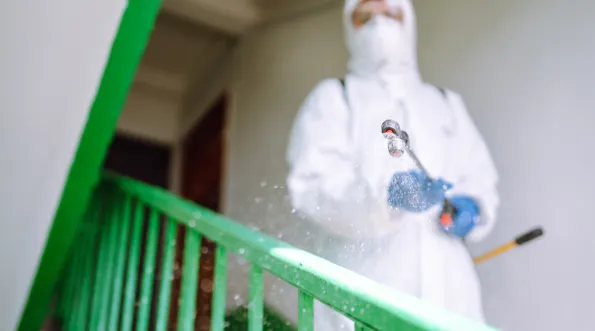
A good pest control service should first determine what pest is present, where it is coming from and what is allowing it to survive before deciding how to treat it.
Two properties can appear to have the same problem but require very different treatment plans. A few cockroaches appearing around a kitchen drain, for example, may indicate something quite different from an established German cockroach population reproducing behind cabinetry or appliances. Similarly, the ants visible on a countertop may be workers travelling some distance from a hidden colony.
Professional pest management therefore starts by considering factors such as the species involved, severity of the infestation, likely harbourage areas, access routes and environmental conditions. The treatment should follow from that diagnosis rather than the other way around.
Customers should be told which areas will be treated, which methods will be used and whether belongings need to be moved or protected beforehand. Where children, elderly residents, pets or food-preparation areas are involved, clear safety and re-entry instructions are particularly important.
This diagnostic process is one of the clearest differences between comprehensive pest management and simply spraying whichever pests happen to be visible during an appointment.
Check Pest Control Credentials Before Comparing Prices
In Singapore, credentials should be one of the first things customers check.
The National Environment Agency states that members of the public should procure regulated vector-control services from registered Vector Control Operators and that personnel carrying out vector-control work must hold the appropriate licences or certifications. NEA also encourages customers to consider factors such as trained personnel, experience, pest-control methods, technology and the provider’s track record when selecting a service.
Registration, however, should be treated as a starting point rather than the only factor in choosing a company.
Experience with the particular pest matters because termite management requires different inspection techniques and treatment methods from cockroach control. Bed bugs require careful examination of sleeping areas and furniture, while rodent management often depends heavily on understanding movement routes and structural access points.
Before proceeding, ask the provider what signs have been found, where the infestation is likely to originate and why the proposed treatment is appropriate. A competent technician should be able to explain this reasoning clearly rather than relying on broad promises such as guaranteed eradication.
Why the Inspection Can Determine Whether Treatment Works
Where pests are seen is not necessarily where they are living or breeding.
Cockroaches appearing in a kitchen may be harbouring behind refrigerators, cabinetry or appliances, around pipe penetrations or in drainage areas. Ant trails may originate from colonies hidden elsewhere in the building. Termite activity can remain concealed inside structural elements, while rodents may enter through openings some distance from where droppings are eventually discovered.
A proper inspection therefore looks beyond the obvious sighting. Technicians may consider the pest species, signs of activity, possible harbourage or nesting areas, entry points, food and water sources, moisture problems and structural conditions before determining the extent of an infestation.
These findings influence where treatment should be concentrated. Applying pesticide in the wrong place can kill visible pests without significantly affecting the underlying population. The property may appear pest-free temporarily, only for the problem to return later.
For persistent infestations, the quality of the inspection can therefore be more important than how quickly treatment begins.
What Determines Pest Control Costs in Singapore?
There is no single pest control price that applies to every property in Singapore.
The total cost generally depends on the pest involved, infestation severity, property size and layout, accessibility, treatment method and number of visits required.
A localised cockroach problem in one part of an apartment will usually require a different amount of work from activity spread throughout several rooms. Similarly, investigating a possible termite infestation in a landed property can be considerably more involved than dealing with an ant trail around a kitchen.
Property design also affects the scope of work. False ceilings, built-in cabinetry, service ducts, roof spaces, gardens, storerooms and concealed plumbing can make inspection and treatment more time-consuming. Commercial properties can introduce additional risk areas such as food-storage rooms, grease traps, loading zones, floor traps and waste-handling areas.
Treatment methods matter too. Depending on the pest, a programme may involve baiting, traps, monitoring devices, targeted pesticide applications, termite stations or a combination of approaches.
When comparing quotations, compare the entire treatment scope rather than simply looking at the headline price. Check whether the quotation includes inspection, the expected number of treatment visits, monitoring, follow-up inspections and re-treatment if the problem persists. A cheaper first visit is not necessarily better value if essential follow-up work is charged separately.
How Treatment Differs Between Common Pests
Different pests require different diagnostic and treatment strategies, which is why a single standard package is rarely suitable for every infestation.
Cockroach management usually focuses on harbourage, food, moisture, drains and plumbing areas, with baiting and targeted treatment often playing an important role. Termite work requires closer attention to timber, concealed activity, possible entry routes and surrounding structural conditions, and treatment may involve baiting, soil treatment or targeted applications depending on the circumstances.
Bed bug control typically requires careful inspection of sleeping areas, furniture, cracks and nearby belongings, with preparation and follow-up being particularly important. Ant management may focus on trails, food sources, entry points and the colony rather than only the workers that are visible.
Rodent management generally requires identifying movement routes and structural openings in addition to trapping or baiting. Mosquito management is different again because removing stagnant water and potential breeding sites is fundamental to controlling the population.
The practical lesson is that pest control should be species- and situation-specific. A method that works well for one infestation may be inappropriate for another.
Cockroaches: Why Killing the Ones You See May Not Solve the Problem
Cockroaches are commonly encountered around kitchens, rubbish areas, drains and other places where food and moisture are available. However, the cockroaches visible in the open may represent only part of the population.
They can shelter inside narrow cracks, underneath cabinetry, behind appliances and around plumbing. Depending on the species and conditions, considerable activity may remain concealed. Repeated sightings, droppings, egg cases and activity around food or water sources can therefore indicate a larger infestation.
Professional cockroach management typically concentrates on harbourage and movement areas rather than indiscriminately spraying exposed surfaces. Depending on the situation, treatment may include strategically placed baits and targeted applications.
Housekeeping also affects the result. Grease, crumbs, uncovered rubbish, pet food and standing water provide resources cockroaches need to survive. Fixing leaks, cleaning beneath appliances, storing food securely and managing rubbish properly can make treatment more effective.
If cockroaches repeatedly return despite household sprays, identifying the harbourage or entry route is generally more useful than simply trying stronger insecticide products.
Termites: Hidden Activity Requires Accurate Detection
Termites are particularly difficult to assess because much of their activity can remain concealed.
Possible warning signs include mud tubes, damaged timber, hollow-sounding wood and discarded wings. However, visible damage does not necessarily reveal the full extent or current activity of an infestation.
Correct identification should therefore come before treatment. Depending on the termite species, building structure and location of activity, management may involve baiting, soil treatment, targeted applications, monitoring or a combination of methods.
Inspection technology can sometimes assist when suspicious activity is concealed behind built-in structures. For example, Aardwolf Pestkare uses thermal imaging as an additional inspection tool in selected subterranean termite cases, alongside options such as termite baiting and soil treatment.
The important point is not the technology alone. Inspection findings still need to be interpreted correctly so the treatment matches the actual infestation rather than applying the same solution to every property.
Termite programmes may also require monitoring after the initial visit. Bait systems, in particular, operate over time as termites encounter and feed on the bait. If termites are suspected, avoid casually disturbing or spraying visible activity before an assessment, as this can make the original pattern of activity more difficult to evaluate.
Bed Bugs: Inspect Beyond the Mattress
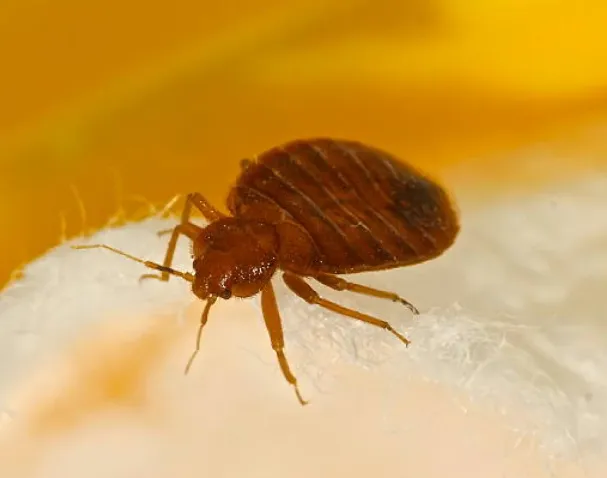
Bed bugs can be difficult to manage because they shelter in narrow spaces and may remain unnoticed until bites or other signs begin appearing.
The mattress deserves inspection, but it should not be the only place checked. Bed bugs can hide around bed frames, headboards, nearby furniture, skirting boards, cracks and personal belongings. Signs can include live insects, spotting or staining and shed skins.
Unexplained bites may raise suspicion, but bites alone cannot reliably confirm a bed bug infestation because other insects and skin conditions can produce similar reactions.
Preparation is particularly important when treating bed bugs. Moving luggage, furniture or belongings from an affected room into another area without understanding the extent of the infestation may inadvertently move bed bugs with them.
Follow the technician’s preparation instructions instead of immediately clearing or relocating everything. Because bed bugs can remain concealed in difficult-to-reach areas, follow-up inspection and additional treatment may sometimes be required.
Ant Control Works Better When the Colony Is Addressed
An ant trail is easy to wipe away, but eliminating the visible workers does not necessarily eliminate the colony.
Worker ants may travel considerable distances from nests located inside wall voids, beneath flooring, outdoors or elsewhere within a building. This is why repeatedly spraying or wiping away ants may create only temporary improvement.
Depending on the species and location, professional ant management may use baiting or another targeted method designed to affect the colony.
Food and moisture management still matter. Sweet foods, crumbs, spills and accessible water can sustain ant activity. Repeated trails can also reveal valuable information about entry routes.
Instead of focusing only on the ants themselves, investigate where they are entering and whether food sources or structural gaps can be corrected.
Rodent Control Requires More Than Removing the Rodent
Catching or poisoning a rat or mouse does not necessarily solve the underlying problem.
Rodents can enter properties through openings around doors, pipes, drainage systems, service ducts and structural gaps. Once inside, they look for food, water and protected places to shelter.
Common signs include droppings, gnaw marks, damaged packaging and noises from ceilings or concealed areas.
Professional rodent management may combine trapping, monitoring or baiting with inspection of likely movement routes and entry points. Where practical, those access points should also be corrected.
Otherwise, removing the existing rodents while leaving the original entry route untouched may simply allow new rodents to enter later.
This becomes especially important for restaurants, food businesses and commercial facilities, where ongoing monitoring can reveal changes in activity before they develop into larger operational problems.
Mosquito Control Starts With Removing Breeding Sources
Mosquito management differs from many indoor pest treatments because breeding-source control is fundamental.
Singapore’s National Environment Agency advises residents and property owners to regularly check for and remove stagnant water because mosquitoes can breed in small accumulations of water around residential and commercial premises.
Potential problem areas can include plant containers, trays, pails, drains, roof gutters and other places where water remains undisturbed.
Treatments targeting adult mosquitoes can be appropriate in some circumstances, but they do not replace source reduction.
Property owners should therefore pay particular attention to outdoor and concealed locations where water can collect unnoticed, particularly after rainfall. For larger residential developments and commercial sites, structured inspections can help identify breeding opportunities that may fall outside normal housekeeping routines.
How Pest Control Differs Between HDB Flats, Condos and Landed Homes
Property type can significantly change how an infestation should be investigated.
In HDB flats, pests may move through drainage systems, service areas, pipe openings and gaps around utilities. Kitchens and bathrooms provide moisture and potential food sources, while refuse and common areas outside an individual unit can also influence pest activity.
Repeated treatment of one kitchen cabinet may therefore fail if insects are continually entering through plumbing openings or connected areas.
Condominiums present many of the same challenges because units share walls, utilities and common spaces. If pest activity appears to extend beyond one apartment, residents may need to involve the managing agent or management corporation so potential sources in shared areas can also be investigated.
Landed homes have a broader range of potential pest habitats. Gardens, surrounding soil, drains, roof spaces, storage areas and external walls all increase the number of locations that may require inspection.
Termite risks can also become particularly relevant where soil and structural elements provide possible routes into the building, while outdoor conditions may influence rodent and mosquito activity.
The practical lesson is that treatment should adapt to the property instead of forcing every home into the same standard package.
Commercial Pest Control Requires Ongoing Visibility
Commercial pest management often requires a more systematic approach than treating a residential infestation.
Restaurants, food businesses, warehouses, offices and other facilities may benefit from routine monitoring rather than waiting until pests become obvious.
Food preparation and storage areas can provide predictable food and water sources, while storerooms, equipment, false ceilings, loading areas and floor traps may create harbourage.
A structured programme should document inspections, pest activity, treatment performed and recommendations. Over time, these records help businesses determine whether pest activity is declining, moving to another part of the premises or repeatedly returning under the same conditions.
This is one reason providers such as Aardwolf Pestkare offer ongoing pest-management programmes for residential and commercial properties rather than treating every situation as an isolated call-out.
For businesses, the value lies not simply in scheduled visits but in maintaining visibility over pest activity and responding to changing risks before a minor issue becomes disruptive.
What Should a Pest Control Guarantee Actually Cover?
A meaningful pest control guarantee should explain what happens if the pest returns rather than simply promising guaranteed results.
Warranty and guarantee terms vary between pests, treatment methods and providers. Customers should therefore understand how long the coverage lasts, which pest or treatment is covered, whether follow-up inspections are included, whether re-treatment carries an additional charge and which circumstances fall outside the original agreement.
Exclusions are not automatically a warning sign. Treatment results can be affected when preparation instructions are ignored, structural defects continue allowing pests to enter, food and water remain accessible or pests are repeatedly introduced from an external source.
The important difference is transparency.
A useful guarantee explains what the provider will do if activity persists, how recurrence will be assessed and what circumstances fall outside the original treatment scope. That is considerably more informative than the word “guaranteed” appearing by itself in an advertisement.
Can One Pest Control Treatment Solve an Infestation?
Sometimes, but not always.
Whether one treatment is sufficient depends on the pest species, severity, treatment method, property conditions and how established the infestation has become.
A small, localised issue may respond relatively quickly, while larger or concealed infestations can require repeat treatment or monitoring.
Termite baiting, for example, may involve an extended monitoring process. Bed bugs can require follow-up because they occupy difficult-to-reach harbourage areas. Cockroach populations treated through baiting may decline progressively rather than disappearing immediately.
Be cautious of blanket claims that every infestation can be permanently eliminated in one appointment.
A better indicator of service quality is whether the provider has a clear process for measuring treatment progress and deciding whether further intervention is necessary.
Questions to Ask a Pest Control Company Before Booking
Before booking a pest control service, start by asking what pest the provider believes is causing the problem and whether further inspection is required to confirm it. The provider should also be able to explain where the infestation may be originating and what conditions could be allowing it to continue.
Next, ask what treatment is being recommended and why. There should be a clear reason for choosing baiting, trapping, targeted pesticide treatment, termite stations or another method rather than simply using the same approach for every infestation.
It is also useful to ask how many visits may be necessary. The provider may not always be able to give an exact number immediately, but it should be able to explain whether follow-up treatment or monitoring is normally required for the particular pest.
Customers should also understand what preparation is required before treatment and what precautions apply afterwards. Instructions covering furniture, food, pets, ventilation, cleaning and re-entry should be communicated clearly where relevant.
Finally, ask what happens if pest activity returns and exactly what is included in the quotation. Understanding whether inspection, treatment, monitoring, follow-up and re-treatment are included can make comparing providers considerably easier.
These questions shift the conversation away from simply asking how much pest control costs and toward understanding the quality and scope of the service being purchased.
Prevention After Treatment Matters
Even a well-designed treatment can be undermined if the property continues to provide favourable conditions for pests.
Food should be stored securely, spills cleaned promptly and rubbish removed regularly. Areas beneath cabinets and appliances deserve particular attention because grease and food debris can accumulate unnoticed.
Leaks and standing water should be addressed where practical, while gaps around doors, pipes and other potential entry points should be inspected and sealed where appropriate.
Clutter is another overlooked factor. Excess belongings create additional hiding places while making inspections more difficult.
Prevention priorities should also reflect the pest involved. For mosquitoes, stagnant-water removal is fundamental. For rodents, exclusion and waste management are important. For cockroaches, sanitation and moisture control support treatment. Suspicious termite activity should be assessed rather than simply covered or sprayed.
Prevention cannot make a Singapore property permanently immune from pests, particularly in dense urban environments. It can, however, reduce the conditions that make infestations easier to establish and recur.
DIY Pest Control Versus Professional Treatment
Not every pest sighting requires professional treatment.
Occasional ants or an isolated insect may sometimes be managed through improved sanitation, removing food and water sources, closing appropriate entry points and correctly using suitable household pest-control products.
The situation changes when activity repeatedly returns, spreads to multiple areas, cannot be confidently identified or involves pests that are particularly difficult to control.
Termites, bed bugs and continuing rodent activity are examples where professional assessment is often more useful than repeatedly experimenting with household products.
Persistent cockroach activity provides another example. If cockroaches continue appearing despite cleaning and repeated household treatment, the issue is no longer simply finding a stronger aerosol. The more useful question is where they are breeding, hiding or entering.
Businesses generally have an even lower tolerance for trial and error because uncontrolled pest activity can affect hygiene, operations and customer-facing areas.
How to Compare Pest Control Companies in Singapore
When comparing pest control companies, start with the diagnosis rather than the promotion.
Consider whether the provider asks relevant questions and conducts an inspection where necessary. A technician should be able to explain what signs were found and why the proposed treatment makes sense.
Next, compare the treatment scope. Understand which areas are included, what method will be used, how many visits may be necessary and what preparation is expected from you.
Safety communication is another useful indicator. Instructions should make it clear what must be removed, covered or avoided before and after treatment.
Then look at follow-up arrangements. Some infestations require monitoring, while others may need another treatment if activity persists.
Finally, compare the full service rather than only the headline price. Two quotations with similar prices can cover very different amounts of work.
A useful quotation should make the inspection, treatment programme, number of visits, follow-up conditions and possible additional charges easy to understand.
When Is Professional Pest Control the Sensible Next Step?
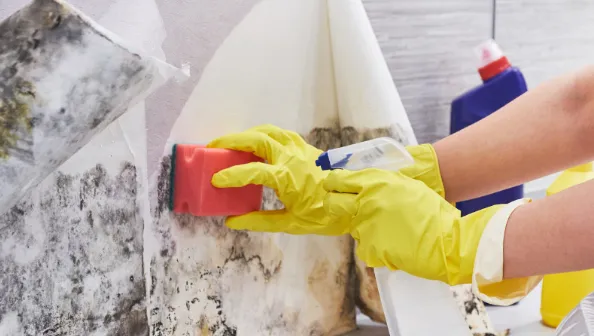
Professional assessment is generally worthwhile when pest activity becomes persistent, widespread, difficult to identify or difficult to control.
Repeated cockroach sightings, evidence of rodents, suspected termite activity, recurring bed bugs or infestations affecting several rooms justify closer investigation.
Businesses should respond particularly quickly when pest activity occurs around food preparation, storage or customer-facing areas.
For homeowners, recurrence despite appropriate cleaning, basic exclusion and correctly used household treatment is another indication that a more detailed inspection may be necessary.
The objective is not simply to apply more pesticide. It is to determine what is sustaining the infestation and select a treatment capable of addressing it.
Choosing Pest Control With Confidence
The best pest control in Singapore is not automatically the cheapest provider or the company making the strongest eradication claim.
Reliable pest management starts with correct identification, appropriate inspection and a treatment plan suited to the pest and property.
Licensing and credentials matter, but so do pest-specific experience, diagnostic skill, transparent treatment recommendations, safety communication and a clear process for follow-up.
For property owners seeking professional assessment, Aardwolf Pestkare provides pest-management services for residential and commercial properties in Singapore, including services for common pest concerns such as termites, cockroaches, rodents and mosquitoes.
As with any provider, customers should confirm the proposed treatment scope, preparation requirements, safety instructions, number of visits and follow-up arrangements before proceeding.
Ultimately, effective pest control is not simply about killing the insect or rodent visible today. It is about understanding why the infestation exists, where it is coming from and what needs to change to prevent the same problem from repeatedly returning.
Frequently Asked Questions
How Much Does Pest Control Cost in Singapore?
There is no universal pest control price in Singapore. Costs depend on the pest species, infestation severity, property size, accessibility, treatment method and number of visits required.
A minor localised problem will not normally require the same treatment scope as a termite infestation or pest activity across a large commercial property. For persistent or complex infestations, an inspection-based quotation usually provides more useful information than a generic advertised price.
How Can I Check Whether a Pest Control Provider Is Properly Qualified?
For regulated vector-control work in Singapore, customers should check whether the company is appropriately registered as a Vector Control Operator and whether personnel carrying out the relevant work hold the appropriate licences or certifications.
Qualifications should still be considered alongside pest-specific experience, inspection quality and the provider’s ability to explain its proposed treatment.
Is Pest Control Safe for Homes With Children and Pets?
Pest-control work can be performed in homes with children and pets when appropriate products, application methods and precautions are followed.
Tell the provider in advance about children, pets and any other relevant household circumstances. Follow the specific instructions given for preparation, ventilation, cleaning and re-entry rather than assuming the same precautions apply to every treatment.
How Often Should Pest Control Be Done?
There is no universal pest-control frequency suitable for every Singapore property.
The appropriate schedule depends on whether there is an active infestation, the pest involved, recurrence risk, property conditions and whether the premises are residential or commercial.
A home without active pest problems may mainly need preventive measures and occasional assessment, while persistent activity can require treatment and follow-up monitoring. Higher-risk commercial premises may benefit from structured ongoing pest-management programmes.
What Should I Do if Pests Return After Treatment?
Contact the provider and explain where and when pest activity returned.
The provider can assess whether the recurrence is connected to the original infestation, a new source or conditions that continue supporting pest activity.
If the treatment includes a warranty or service guarantee, check its coverage period, exclusions and re-treatment conditions.
Can Cockroaches Be Eliminated From an HDB Flat?
Cockroach infestations can often be controlled effectively, but successful treatment needs to consider harbourage, food and water sources and possible entry routes.
In an HDB environment, drains, plumbing openings, service areas and surrounding common areas may influence recurring activity. For that reason, source identification and prevention can be just as important as killing the cockroaches already inside the flat.
What Are the Early Signs of Termite Activity?
Potential warning signs include mud tubes, damaged timber, hollow-sounding wood and discarded wings.
Because termite activity can remain concealed, suspicious signs should be professionally assessed rather than relying only on visible surface damage.
Should I Try DIY Pest Control Before Calling a Professional?
DIY pest control can be reasonable for isolated, low-level activity that can be confidently identified.
Cleaning, removing accessible food and water, correcting suitable entry points and using household products according to their instructions may resolve simple problems.
Professional assessment becomes more appropriate when activity repeatedly returns, spreads, cannot be confidently identified or involves pests such as termites, bed bugs or rodents.