

Singapore’s housing strategy has always emphasized long-term planning, sustainability, and efficient land use. As the city-state continues to evolve, adaptable residential design is emerging as a key pillar of future housing development.
Adaptable homes are designed to evolve with their residents. Instead of requiring major renovations as lifestyles change, flexible layouts allow spaces to be repurposed easily. This reduces material waste, lowers renovation costs, and supports longer occupancy periods.
From an environmental perspective, adaptability contributes to sustainability. Homes that remain usable across multiple life stages reduce the demand for frequent upgrades or redevelopment. This aligns with Singapore’s broader sustainability goals and resource efficiency initiatives.
Developments such as Vela Bay demonstrate how adaptable design can coexist with modern aesthetics and comfort. By focusing on long-term usability rather than short-term trends, such projects remain relevant as buyer preferences evolve.
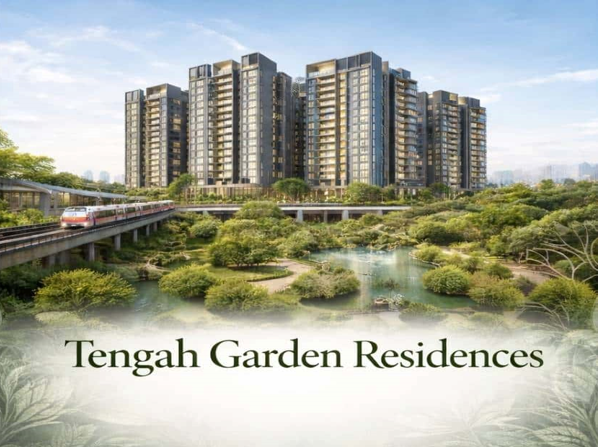
At the town level, Tengah Garden Residences reflects Singapore’s vision for future-ready communities. Integrated planning, smart infrastructure, and flexible residential layouts support a wide range of lifestyles while maintaining efficiency and connectivity.
Adaptable design also supports demographic changes. As Singapore’s population ages, homes that can accommodate mobility needs and quieter living preferences become increasingly valuable. Flexibility allows residents to age in place, maintaining independence and community ties.
Economically, adaptable homes offer stronger value protection. Properties that appeal to multiple buyer segments are better positioned to retain demand over time. This supports price stability and long-term investment performance.
Looking ahead, adaptability will play an even greater role in shaping residential demand. Buyers are becoming more informed and forward-looking, prioritizing homes that can evolve alongside their needs.
In this context, residential flexibility is not merely a design trend. It is a fundamental requirement for future-proof housing in Singapore.